
Hygiene on Kilimanjaro Climbing
Expert travel insights and safari tips for your Tanzania adventure with Juhudi Expedition.
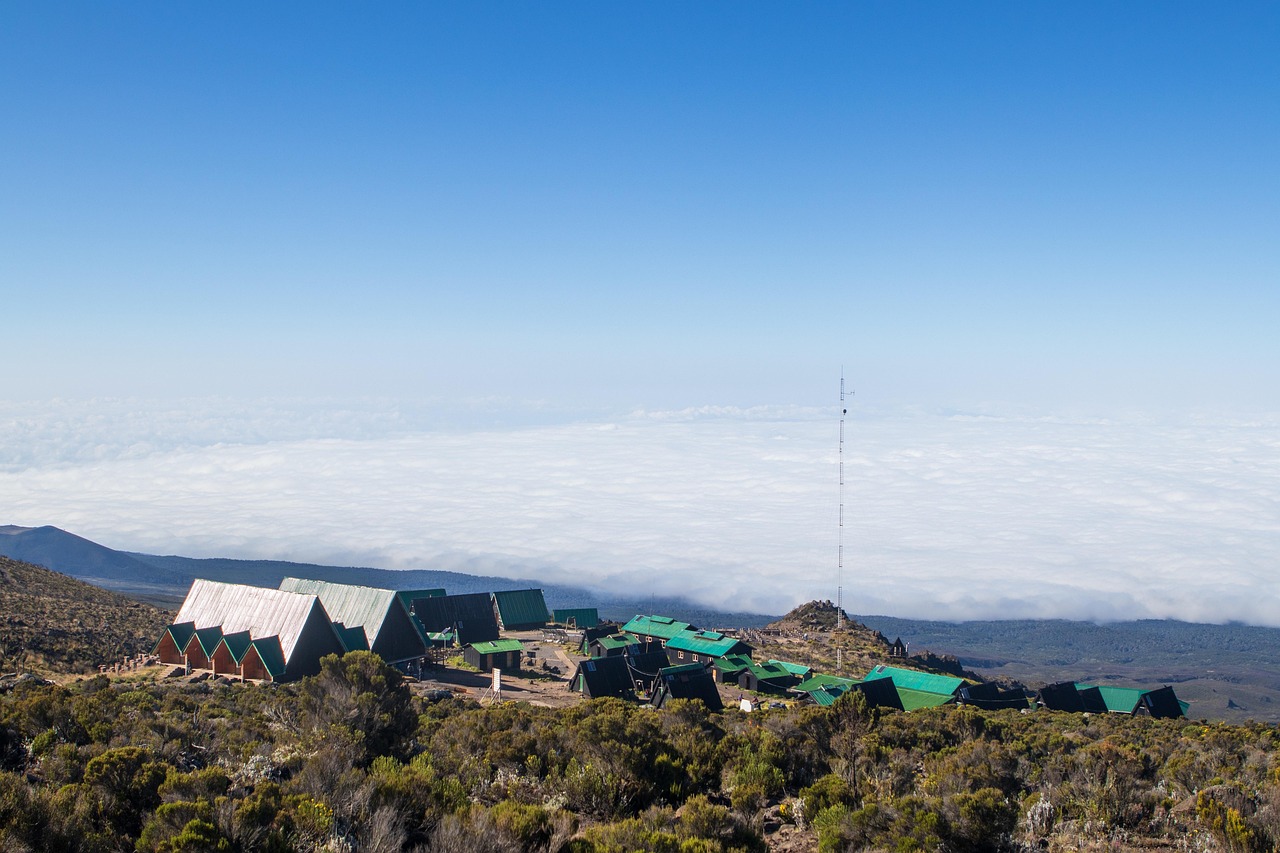
Hygiene Standards on Mount Kilimanjaro Expeditions
Maintaining appropriate hygiene standards during a multi-day
high-altitude expedition is essential for health, comfort, and overall
performance. As climbing Mount Kilimanjaro involves several consecutive days in
remote mountain camps without conventional infrastructure, it is important that
climbers understand what facilities are available and how to prepare
accordingly.
The following information outlines our operational hygiene
standards and recommendations for all expedition participants.
1. Drinking Water Safety & Hydration Protocol
Proper hydration is critical for acclimatization and
altitude performance.
Water Source & Treatment
All drinking water during the expedition is sourced from
natural mountain streams. The water undergoes a strict safety process:
- Collected
from designated upstream sources
- Boiled
thoroughly to eliminate pathogens
- Cooled
and stored in clean containers
- Used
for drinking, cooking, and oral hygiene
This treatment method is standard practice among
professional operators on Kilimanjaro.
Water Availability
- Unlimited
drinking water is provided to all climbers and crew members.
- Supplies
are replenished at every camp as the expedition progresses.
- Guides
actively monitor hydration levels and remind climbers to drink regularly.
There is no need to ration water during the climb.
2. Camp Kitchen Sanitation & Food Handling
Food safety in a remote mountain environment requires strict
discipline and professional procedures.
Kitchen Operations
A qualified mountain chef, supported by trained porters,
manages all food preparation and service.
Operational standards include:
- Transportation
of food in sealed containers
- Washing
of ingredients prior to preparation
- Regular
cleaning of cooking utensils and kitchen equipment
- Separate
dining tent set-up with tables and seating
- Surface
sanitation before each meal service
- Dishwashing
after every meal
The kitchen team dismantles and repacks all dining equipment
daily before transfer to the next camp. Cleanliness and food safety are
monitored continuously throughout the expedition.
3. Personal Hygiene Facilities in Mountain Camps
Due to the protected status of Kilimanjaro as a national
park, permanent infrastructure is limited. As a result, traditional bathrooms
and showers are generally unavailable.
Daily Washing Facilities
At every camp, we provide:
- A
portable wash basin
- Freshly
heated water
- Access
to water for face washing, hand washing, and brushing teeth
This allows climbers to maintain basic daily hygiene despite
remote conditions.
Participants should be prepared for limited bathing
opportunities and plan accordingly.
4. Shower Options
Standard Conditions
Showers are not available on most Kilimanjaro routes.
Marangu Route Exception
Along the Marangu Route, some camps offer basic shower
facilities; however, water is often cold and availability may vary.
Portable Shower Rental (Optional Service)
For clients seeking additional comfort, we offer a private
portable shower system, which includes:
- Shower
apparatus
- Dedicated
privacy tent
- Gas
heating system
- Porter
transport of all equipment
This service involves additional logistical coordination and
cost due to equipment weight and fuel transport.
5. Toilet Facilities on Kilimanjaro
Public Toilets
All official camps on Mount Kilimanjaro are equipped with
public toilet structures maintained by park authorities.
Characteristics:
- Simple
pit-latrine design
- Shared
by all climbers in the camp
- Cleaned
regularly by rangers
Cleanliness varies depending on:
- Altitude
- Season
(high vs. low traffic)
- Number
of climbers present
- Time
of day
During peak season, more than 100 individuals may use a
single facility daily. Queues are common, particularly in the evening and early
morning.
6. Private Portable Toilet (Highly Recommended)
For enhanced comfort and hygiene, we strongly recommend
reserving a private portable toilet.
This service includes:
- Individual
privacy tent
- Bio-toilet
with seat
- Sealed
waste container system
- Water-based
flushing mechanism
The unit can be reserved for exclusive individual use or
shared between two to three climbers to reduce cost.
Based on client feedback, this option significantly improves
overall expedition comfort, especially during high-traffic periods.
7. Personal Hygiene Preparation Guidelines
We advise all participants to prepare for 6–8 days without
conventional bathroom access.
Clothing & Personal Care
- Pack
one set of underwear per day, plus additional reserves
- Bring
extra socks (wet conditions are common)
- Trim
toenails before departure to prevent discomfort during descent
- Consider
bringing small nail care tools
- Dry
shampoo is recommended for longer hair
- Lip
balm is essential at high altitude
Nighttime Convenience
Some climbers prefer bringing a personal urination bottle to
avoid leaving the tent during cold nighttime conditions.
Product Availability in Tanzania
Dry shampoo and specialized electrolyte powders may not be
readily available locally. We recommend bringing these items from home if
required.
8. Recommended Hygiene Checklist
- Wet
wipes
- Hand
sanitizer
- Toothbrush
and toothpaste
- Deodorant
- Shaving
supplies (optional)
- Feminine
hygiene products (if applicable)
- Lip
balm
- Dry
shampoo
- Nail
scissors/clippers and file
- Sufficient
underwear and socks
- Optional:
personal urination bottle
Final Recommendation
Understanding and preparing for mountain hygiene conditions
is an essential part of expedition readiness. While Kilimanjaro does not offer
hotel-level facilities, professional logistics, safe water procedures, and
optional comfort upgrades ensure that hygiene standards remain appropriate for
a high-altitude expedition environment.
For further clarification regarding sanitation services or
comfort upgrades, we encourage prospective climbers to consult with our
reservations team during the planning process.

