
Mount Kilimanjaro National Park National Park
Discover incredible wildlife, stunning landscapes, and unforgettable safari adventures in Mount Kilimanjaro National Park National Park.
Discover Mount Kilimanjaro National Park National Park
Mount
Kilimanjaro National Park is one of Africa’s most iconic protected areas and a
UNESCO World Heritage Site, home to Mount Kilimanjaro (5,895m)—the highest
free-standing mountain in the world and the tallest peak in Africa. Located in
northern Tanzania near Moshi and accessible via Arusha, the park is a globally
recognized destination for trekking, mountaineering, and eco-tourism.
The
park protects a remarkable ecological system that rises from cultivated
farmland at the base through dense rainforest, moorland, alpine desert, and
finally the glaciated summit zone. This dramatic vertical ecosystem makes
Kilimanjaro one of the most scientifically and visually diverse mountains on
Earth.
Unlike
technical climbing peaks, Kilimanjaro is a non-technical trek, meaning climbers
can reach the summit without specialized mountaineering equipment, making it
one of the world’s most sought-after high-altitude trekking experiences.
Why Visit Mount Kilimanjaro National Park?
Mount
Kilimanjaro offers a rare combination of adventure, natural beauty, and
personal achievement. It is a destination that attracts trekkers from all over
the world seeking to summit Africa’s highest point.
Key
reasons to visit include:
Standing
on Uhuru Peak (5,895m), the “Roof of Africa”
Experiencing
five distinct ecological zones in a single ascent
Trekking
through ancient rainforest, alpine landscapes, and glacial terrain
Encountering
unique flora and fauna along established climbing routes
Enjoying
world-class trekking infrastructure with professional guides and porters
Kilimanjaro
is not only a physical challenge but also a transformative journey through some
of the most dramatic natural environments on the continent.
Ecological Zones of Mount Kilimanjaro
One
of the most remarkable features of Kilimanjaro is its five ecological zones,
each with distinct climate, vegetation, and scenery:
1.
Cultivation Zone (800–1,800m)
Surrounding
farmland where coffee, bananas, and maize are grown by local communities.
2.
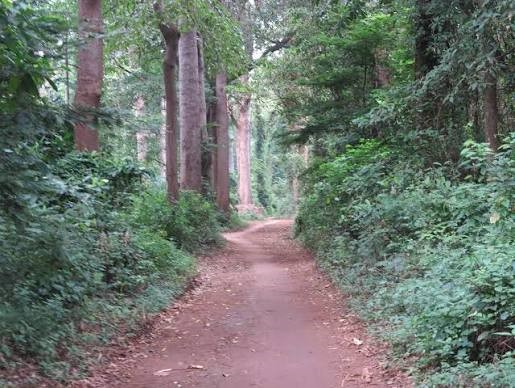
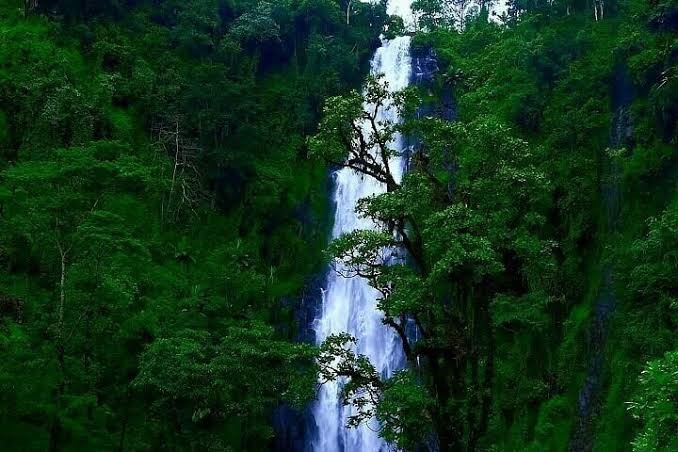
Montane Forest (1,800–2,800m)
Dense
rainforest rich in biodiversity, home to colobus monkeys, blue monkeys, and a
wide variety of birds.
3.
Heather and Moorland (2,800–4,000m)
Characterized
by giant heathers, lobelias, and unique alpine vegetation.
4.
Alpine Desert (4,000–5,000m)
.
A
harsh, dry landscape with volcanic rock formations and extreme temperature
variation.
5.
Arctic Summit Zone (5,000m+)
Glaciated
peaks, ice fields, and the summit area of Uhuru Peak.
Climbing Routes on Mount Kilimanjaro
Several
established trekking routes offer different experiences depending on fitness
level, time, and scenery preference:
Marangu Route – Known as the “Coca-Cola Route,” offering hut accommodation and moderate difficulty
Machame Route– Scenic and popular, with higher summit success rates due to acclimatization
Lemosho Route – Remote, less crowded, and considered one of the most beautiful routes
Rongai Route – Drier northern approach with fewer crowds
Northern Circuit Route – Longest route with the highest acclimatization success rate
Umbwe Route – Steep and challenging, recommended for experienced trekkers
Each
route passes through unique landscapes, offering different perspectives of the
mountain’s natural beauty.
Wildlife
and Biodiversity
Although
Kilimanjaro is primarily known for trekking, its lower slopes support diverse
wildlife and plant species.
Commonly
observed species include:
Blue
monkeys and black-and-white colobus monkeys
Bushbucks
and small antelopes
Elephants
(occasionally in forest zones)
Numerous
bird species including turacos, sunbirds, and hornbills
Rich
plant diversity including giant groundsels and endemic alpine flora
The
forest zone in particular is an important ecological corridor linking
surrounding wildlife habitats.
Best Time to Climb Mount Kilimanjaro
Kilimanjaro
is open year-round, but certain seasons offer better trekking conditions:
Dry
Seasons (Best Recommended)
January
to March
June
to October
Advantages:
Clear
skies and excellent visibility
Dry
trails and safer trekking conditions
Higher
summit success rates
Rainy
Seasons
April
to May
November
Advantages:
Fewer
climbers and quieter routes
Lush green rainforest scenery
Why
Mount Kilimanjaro is a World-Class Destination
Mount
Kilimanjaro is more than a mountain it is a global symbol of adventure,
endurance, and natural beauty. Its combination of accessible trekking routes,
dramatic ecological transitions, and iconic summit views makes it one of the
most desirable trekking destinations on Earth.
From
the lush rainforest at its base to the frozen summit of Uhuru Peak, Kilimanjaro
offers an unparalleled journey through some of the most diverse environments in
Africa.
Experience the incredible wildlife diversity and stunning landscapes of Mount Kilimanjaro National Park National Park. Our expert-guided safari tours and trekking adventures offer unforgettable encounters with Tanzania's most spectacular natural wonders.


Popular Trekking Tours in Mount Kilimanjaro National Park National Park
Discover the natural beauty of Mount Kilimanjaro National Park through our guided trekking adventures and mountain climbing experiences.


Popular Day Tours in Mount Kilimanjaro National Park National Park
Explore Mount Kilimanjaro National Park with our convenient day tour options, perfect for wildlife viewing and cultural experiences.